Tanzania is widely regarded as one of the finest safari destinations on the African continent. From the endless golden plains of the Serengeti to the dramatic volcanic crater of Ngorongoro, this East African nation offers wildlife experiences that simply cannot be found anywhere else on earth. Whether you are a first-time visitor dreaming of seeing the Big Five or a seasoned traveler returning to witness the Great Migration, Tanzania delivers adventure, beauty, and memories that last a lifetime.
Why Tanzania Stands Above Other Safari Destinations
What makes Tanzania so special? Unlike many other safari destinations, Tanzania has dedicated enormous resources to wildlife conservation. Nearly 30 percent of the country's land is protected as national parks, game reserves, and conservation areas. This commitment means animals roam freely across vast, unfenced landscapes, creating authentic wildlife encounters that feel truly wild rather than staged. Additionally, Tanzania is home to the Great Wildebeest Migration, often called the greatest wildlife spectacle on earth, as well as the majestic Mount Kilimanjaro, Africa's highest peak. For travelers seeking the complete African safari experience, Tanzania is simply unmatched.
The Best National Parks to Visit on a Tanzania Safari
Serengeti National Park
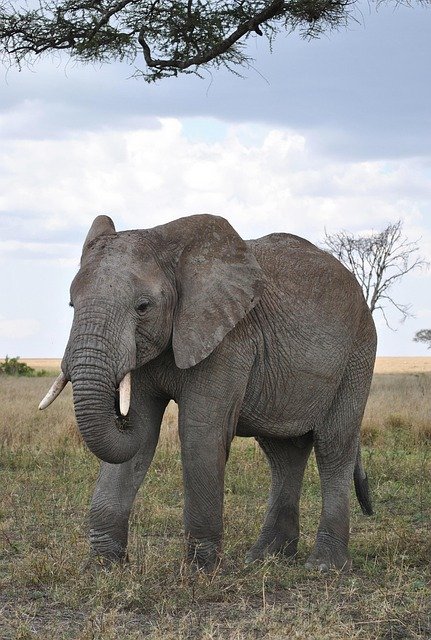
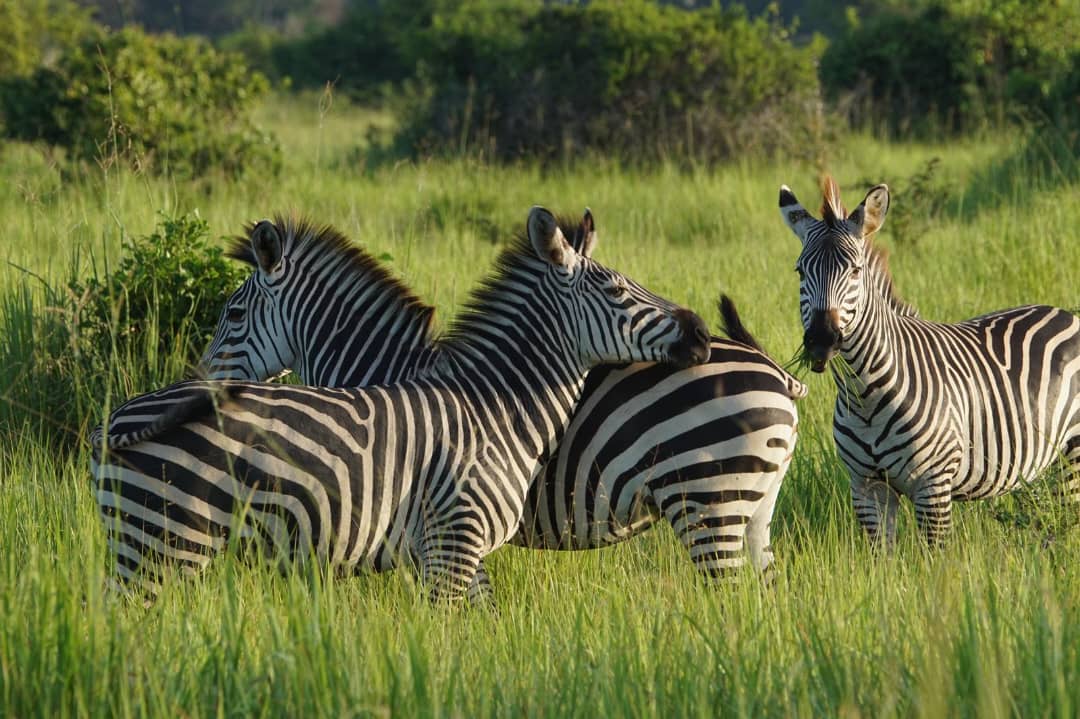
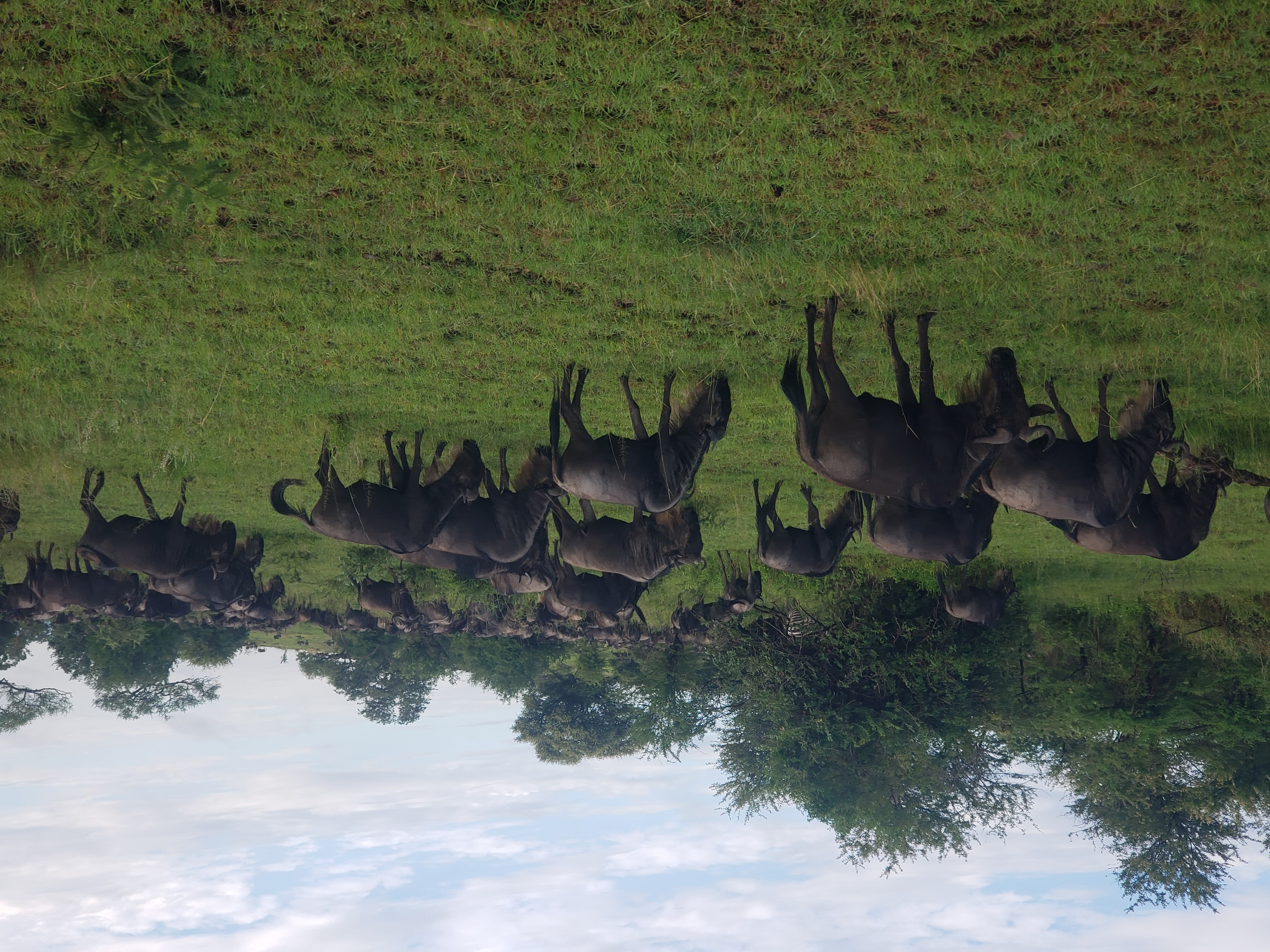
The Serengeti is the crown jewel of Tanzania's national parks and arguably the most famous wildlife reserve in the world. The name itself comes from the Maasai word "siringet," meaning endless plains, and indeed, the landscape stretches as far as the eye can see. This is the stage for the Great Migration, where over 1.5 million wildebeest, accompanied by hundreds of thousands of zebras and gazelles, move in a continuous circular journey in search of fresh grazing. Predators follow close behind, making the Serengeti one of the best places in Africa to see lions, leopards, cheetahs, and hyenas in action. Beyond the migration, the Serengeti offers exceptional game viewing year-round, with resident elephant herds, giraffes, hippos, crocodiles, and over 500 bird species.
Ngorongoro Crater
The Ngorongoro Crater is often called the Eighth Wonder of the World, and once you visit, you will understand why. This ancient volcanic caldera collapsed inward millions of years ago, creating a natural enclosure that now harbors one of the densest concentrations of wildlife on the planet. The crater floor is a world unto itself, with grasslands, swamps, lakes, and forests supporting over 25,000 large animals. Here, you can witness the Big Five in a single morning: lions, leopards, elephants, buffalo, and the critically endangered black rhino. The crater also hosts large flocks of flamingos on Lake Magadi, as well as hippos in the Gorigor Swamp. No Tanzania safari is complete without descending into this natural wonder.
Tarangire National Park
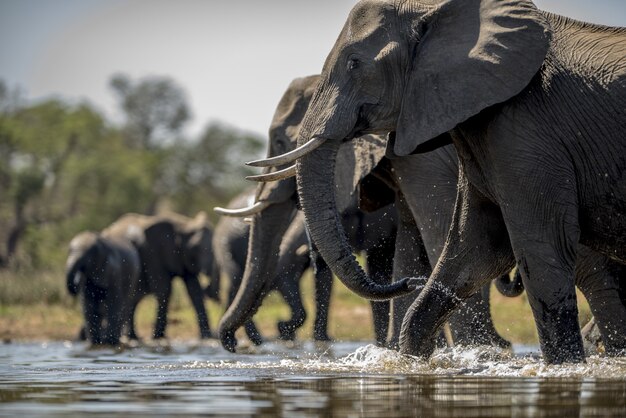
Tarangire National Park is a hidden gem that rewards visitors with spectacular wildlife viewing and far fewer crowds than the Serengeti. The park is famous for its massive elephant herds, often numbering over 300 individuals, as well as its iconic baobab trees, ancient giants that dot the landscape like living sculptures. The Tarangire River flows through the park, attracting animals during the dry season, including lions, leopards, giraffes, zebras, wildebeest, and over 500 bird species. Tarangire also offers excellent opportunities to see the elusive African wild dog and the majestic greater kudu. For travelers who want an authentic, less-crowded safari experience, Tarangire is an excellent choice.
Lake Manyara National Park
Lake Manyara National Park is compact but incredibly diverse, offering a completely different landscape from the open savannahs of other parks. The park is nestled at the base of the Great Rift Valley escarpment, with the alkaline lake itself covering much of the area. Lake Manyara is famous for its tree-climbing lions, a rare behavior observed in only a few locations across Africa. The park also hosts enormous flocks of pink flamingos, as well as pelicans, storks, and other waterbirds. Groundwater forests give way to open grasslands and swamps, creating habitats for large troops of baboons, pods of hippos, and browsing giraffes. The dramatic backdrop of the Rift Valley wall makes Lake Manyara one of the most photogenic safari destinations in Tanzania.
Ruaha National Park
For travelers seeking true wilderness and solitude, Ruaha National Park is an exceptional choice. As Tanzania's largest national park, Ruaha receives only a fraction of the visitors compared to the northern circuit, meaning you can drive for hours without seeing another vehicle. The park is renowned for its large elephant populations, as well as its impressive lion prides and leopards. Ruaha is also one of the best places in Africa to see the endangered African wild dog. The landscape is dramatically varied, featuring rocky escarpments, seasonal rivers, rolling hills, and baobab-dotted plains. Ruaha is best visited during the dry season from June to October, when wildlife concentrates around the Rufiji River.
Arusha National Park
Arusha National Park is often overlooked by travelers rushing toward the Serengeti, but those who pause are richly rewarded. Located just a short drive from the city of Arusha, this compact park offers stunning views of Mount Kilimanjaro across the plains, as well as the chance to trek through montane forests to the crater of Mount Meru. The park is home to giraffes, zebras, buffalo, flamingos, and the beautiful black-and-white colobus monkeys that leap through the trees. Its accessibility makes it an ideal destination for a day trip or for travelers with limited time who still wish to experience authentic Tanzanian wildlife.
The Best Times to Visit Tanzania for a Safari
Timing your safari greatly affects what you will see and experience. Tanzania has two rainy seasons and two dry seasons, each offering different advantages.
Dry Season (June to October)
This is the most popular time to visit, and for good reason. Wildlife concentrates around water sources, vegetation is sparse, and animals are easier to spot. This period also coincides with the dramatic river crossings of the Great Migration in the northern Serengeti. Expect sunny days, cool nights, and larger crowds. Accommodation prices are at their highest during these months.
Wet Season / Green Season (November to May)
The green season offers lower prices, fewer crowds, and stunning landscapes. The plains turn lush and green, and the light is beautiful for photography. This is also calving season for wildebeest, with hundreds of thousands of newborns arriving between January and February, attracting intense predator activity. Afternoon rains are common but rarely disrupt entire days. Budget-conscious travelers will find exceptional value during these months.
Shoulder Months (June and November)
These transitional months offer a balance of good weather, reasonable crowds, and lower prices. June offers excellent wildlife viewing before peak season prices begin. November sees the start of the short rains, but the landscape is still beautiful and many animals are easily visible.
Types of Safari Experiences Available
Tanzania offers several different safari styles to suit every traveler's preference and budget.
Game Drives
The classic safari experience involves driving through national parks in a specialized 4x4 vehicle with a pop-up roof for optimal wildlife viewing. Morning and afternoon game drives are most productive, as animals are most active during cooler hours. Full-day game drives with picnic lunches allow you to cover more ground and witness different habitats.
Walking Safaris
For travelers seeking a more intimate connection with nature, walking safaris offer an entirely different perspective. Accompanied by an armed ranger and a knowledgeable guide, you walk through the bush learning about tracking, animal behavior, insects, plants, and smaller creatures often missed from a vehicle. Walking safaris are available in several parks, including Arusha, Tarangire, and Selous.
Balloon Safaris
Few experiences compare to floating silently over the Serengeti at sunrise in a hot air balloon. As the sun rises over the endless plains, you watch wildlife from above before landing for a champagne breakfast in the bush. While expensive, balloon safaris offer unforgettable views and stunning photographic opportunities.
Night Game Drives
Most national parks prohibit night driving, but select concessions and private reserves offer night game drives. This is the best time to see nocturnal animals such as leopards, hyenas, bush babies, civets, and genets. A spotlight is used to scan for glowing eyes in the darkness.
Boat Safaris
Several parks offer boat safaris, including Selous, Ruaha, and the Zanzibar archipelago. Gliding along rivers and lakes allows you to approach hippos, crocodiles, and waterbirds from a unique angle. Boat safaris are particularly productive during the dry season when animals gather near water sources.
What to Pack for a Tanzania Safari
Packing correctly ensures you are comfortable and prepared for all conditions.
Clothing
Stick to neutral colors such as khaki, beige, olive, and brown. Avoid bright colors and camouflage. Lightweight, breathable fabrics are best for daytime, while warm layers are essential for early morning and evening game drives. Long sleeves and pants protect against sun and insects. A waterproof jacket is useful during the green season.
Footwear
Comfortable closed-toe walking shoes or hiking boots are essential for walking safaris and uneven terrain. Sandals are useful for relaxing at camp or lodge.
Gear and Accessories
Binoculars are absolutely essential for spotting distant wildlife. A camera with a zoom lens captures memories you will treasure forever. Sunscreen, a wide-brimmed hat, and sunglasses protect against the intense equatorial sun. Insect repellent is recommended, particularly during the wet season.
Health and Safety
Consult your doctor about recommended vaccinations and malaria prophylaxis several months before travel. Bring a basic first aid kit, hand sanitizer, and any personal medications. Travel insurance that covers medical evacuation is strongly recommended.
Budgeting for Your Tanzania Safari
Tanzania safaris range from budget-friendly to ultra-luxury, with options for every price point.
Budget Safaris
Budget safaris use public campsites, basic tents, and shared vehicles. Meals are simple but nutritious. Prices typically range from $200 to $350 per person per day. These safaris are ideal for adventurous travelers who prioritize experience over comfort.
Mid-Range Safaris
Mid-range safaris offer comfortable permanent tented camps or lodges with en-suite bathrooms, hot showers, and good food. Vehicles are often private or shared with small groups. Prices range from $400 to $700 per person per day. This is the most popular category for good reason.
Luxury Safaris
Luxury safaris feature high-end lodges and camps with gourmet dining, spa facilities, and exceptional service. Vehicles are private with expert guides. Prices start at $800 and can exceed $1,500 per person per day. This is the choice for travelers who want the very best.
What Affects Price
Several factors influence safari costs: the season (peak season is more expensive), the duration (longer safaris cost more), the accommodation choice, the group size (solo travelers pay more), and the parks visited (some have higher fees than others).
Responsible Safari Tourism
As a visitor to Tanzania, you have an important role in protecting the wildlife and supporting local communities.


 Cookies Consent