Ruaha National Park is Tanzania's largest national park and one of Africa's last great wilderness areas, offering an authentic safari experience far from the crowds. Covering more than 20,000 square kilometers, the park is renowned for its vast landscapes, extraordinary wildlife, ancient baobab trees, and the life-giving Great Ruaha River.
Located in the heart of southern Tanzania, Ruaha is a paradise for wildlife lovers, photographers, birdwatchers, and adventure seekers. The park is famous for its impressive elephant population, large prides of lions, endangered African wild dogs, leopards, cheetahs, and an incredible diversity of antelope species.
Unlike many safari destinations, Ruaha offers an exclusive experience with fewer safari vehicles, allowing visitors to enjoy untouched wilderness, dramatic scenery, and unforgettable wildlife encounters. Whether you are planning your first safari or returning to Tanzania for another adventure, Ruaha National Park promises a truly wild African experience.
Where is Ruaha National Park?
Ruaha National Park is located in Iringa Region in southern Tanzania, approximately 130 kilometers west of Iringa Town. The park can be reached by road from Iringa in about 2 to 3 hours, while scheduled domestic flights connect Ruaha with Dar es Salaam, Zanzibar, Arusha, and other major safari destinations.
Ruaha forms part of the vast Rungwa-Kizigo-Muhesi Ecosystem, one of East Africa's largest protected wildlife areas. The park is named after the Great Ruaha River, which flows through its eastern boundary and serves as the main water source for countless animals throughout the year.
Why Visit Ruaha National Park?
Ruaha is one of Tanzania's most rewarding safari destinations because of its incredible wildlife diversity and pristine wilderness.
Visitors have opportunities to see:
Large herds of African Elephants
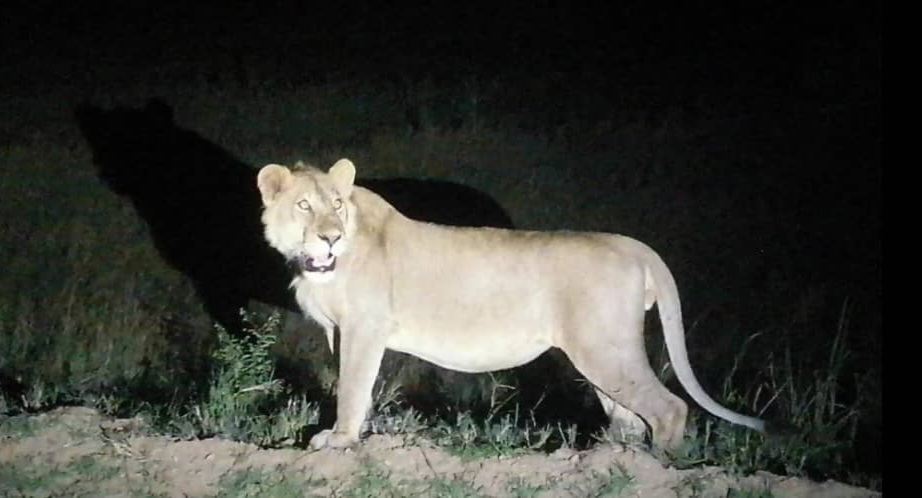
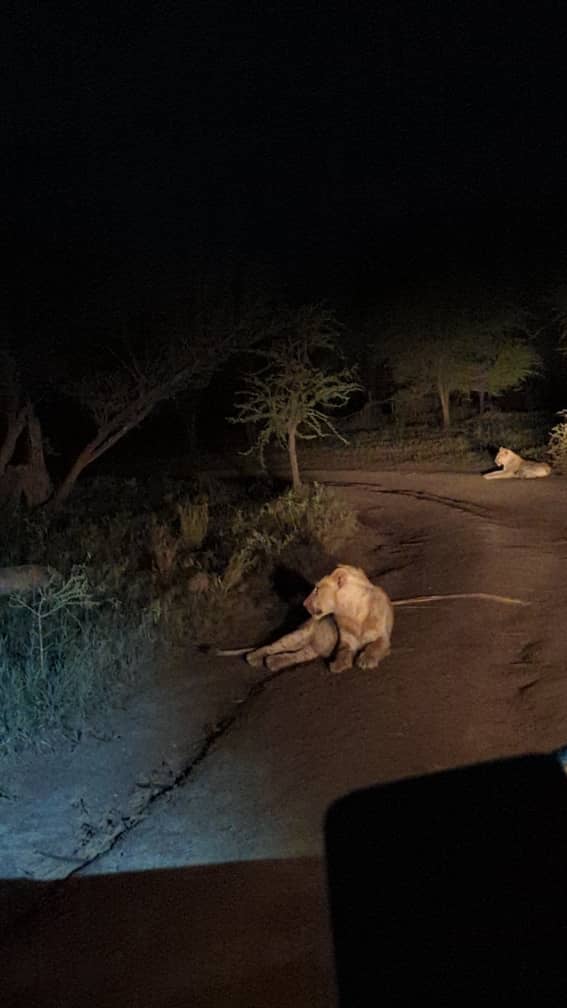
Lions
Leopards
Cheetahs
African Wild Dogs
Buffaloes
Giraffes
Zebras
Greater and Lesser Kudus
Sable Antelopes
Roan Antelopes
Elands
Impalas
Waterbucks
Warthogs
Hippos
Nile Crocodiles
Hyenas
Jackals
More than 570 bird species
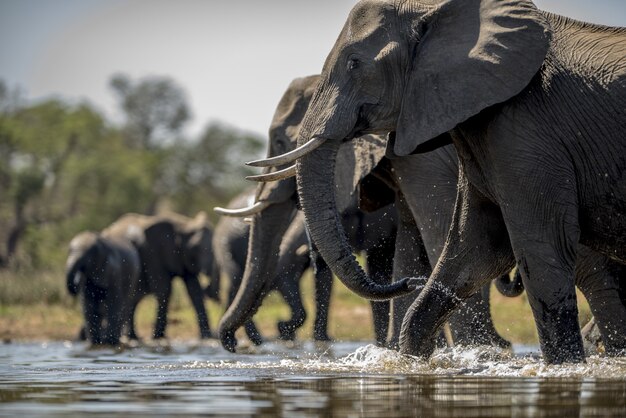
Ruaha is particularly famous for having one of East Africa's largest elephant populations and some of the largest lion prides on the continent.
Best Things to See in Ruaha National Park
The Great Ruaha River
The Great Ruaha River is the heart of the park and one of its most spectacular attractions. During the dry season, thousands of animals gather along its banks to drink, creating excellent opportunities to witness dramatic wildlife interactions.
Giant Elephant Herds
Ruaha is home to one of Tanzania's largest elephant populations. It is common to see herds of more than 50 elephants moving across the plains or gathering near the river.
Ancient Baobab Trees
The park is dotted with magnificent baobab trees, some estimated to be hundreds of years old. These iconic trees create breathtaking scenery and are a favorite subject for photographers.
Predator Encounters
Ruaha is one of the best places in Africa to observe predators. Visitors regularly see lions, leopards, cheetahs, spotted hyenas, and the endangered African wild dog.
Birdlife
With more than 570 recorded bird species, Ruaha is one of Tanzania's top birdwatching destinations. Fish eagles, kingfishers, hornbills, bee-eaters, storks, vultures, and many migratory birds thrive in the park's varied habitats.
Top Activities in Ruaha National Park
Game Drive Safari
Explore the diverse habitats of Ruaha on professionally guided game drives while searching for elephants, lions, leopards, giraffes, buffaloes, antelopes, and many other wildlife species.
Walking Safari
Walking safaris offer an exciting opportunity to experience the African wilderness on foot. Accompanied by an experienced armed ranger, visitors learn about animal tracks, medicinal plants, insects, birds, and the delicate balance of the ecosystem.
Bird Watching
Ruaha is a paradise for bird enthusiasts. The combination of rivers, woodlands, and open plains supports an extraordinary variety of resident and migratory bird species.
Wildlife Photography
Ruaha's dramatic landscapes, ancient baobab trees, abundant wildlife, and uncrowded environment make it one of Tanzania's finest destinations for wildlife and landscape photography.
Sundowner Experience
After an exciting day of wildlife viewing, enjoy a traditional African sundowner while watching the sun set over the savannah. This is one of the most memorable ways to end a safari day in Ruaha.
Hehe Cultural Tour
A safari to Ruaha National Park can be combined with an authentic Hehe Cultural Tour, offering visitors the chance to explore the traditions of one of southern Tanzania's most historically significant ethnic groups.
The Hehe people are renowned for their rich history, strong cultural identity, traditional farming, and the legacy of Chief Mkwawa, who resisted German colonial rule in the late 19th century.
Visitors can experience:
Guided village walks
Traditional Hehe dances and music
Visiting local farms
Learning traditional food preparation
Historical storytelling about Chief Mkwawa
Exploring local markets
Visiting traditional homes
Meeting local artisans
Shopping for handmade crafts
Tasting authentic Hehe cuisine
This cultural tour adds a meaningful local experience to your wildlife safari while supporting nearby communities.
How Many Days Should You Spend in Ruaha National Park?
2-Day Ruaha Safari
Perfect for travelers with limited time. Includes exciting game drives and excellent opportunities to see elephants, lions, giraffes, and other wildlife.
3-Day Ruaha Safari
The most popular itinerary, allowing visitors to enjoy multiple game drives, walking safaris, birdwatching, photography, and cultural experiences at a relaxed pace.
4 to 5-Day Ruaha Safari
Ideal for photographers, wildlife enthusiasts, and travelers who want to explore the park's remote wilderness and maximize their wildlife viewing opportunities.
Best Time to Visit Ruaha National Park
Ruaha National Park is open throughout the year, and every season offers a unique safari experience.
June to October (Dry Season)
This is the best time for wildlife viewing. Water becomes scarce, and animals gather around the Great Ruaha River and permanent waterholes, making sightings easier. The weather is sunny, dry, and ideal for game drives and photography.
November to February (Short Rains)
The landscape begins to turn green, many animals give birth, and migratory birds arrive. Wildlife remains easy to spot, while the park becomes more scenic with fewer visitors.
March to May (Green Season)
Although this is the rainy season, Ruaha remains beautiful with lush vegetation, dramatic skies, and excellent birdwatching. Some roads may become muddy, but this period is perfect for photographers and travelers who prefer peaceful safaris surrounded by vibrant scenery.
Regardless of the season, Ruaha offers unforgettable wildlife encounters and remains one of Tanzania's premier safari destinations year-round.
Ruaha National Park Safari from Iringa
Ruaha National Park is the closest major safari destination to Iringa, making it ideal for travelers exploring Tanzania's Southern Highlands. A road transfer takes approximately 2–3 hours, allowing visitors to enjoy both short and extended safari adventures.
Ruaha National Park Safari from Dar es Salaam
Daily domestic flights connect Dar es Salaam to Ruaha National Park, making it easy to experience one of Africa's greatest wilderness areas in just a few hours. Multi-day safaris are highly recommended to fully appreciate the park's incredible wildlife and landscapes.
Ruaha National Park Safari from Zanzibar
Travelers staying in Zanzibar can easily combine a beach holiday with an unforgettable safari in Ruaha National Park. Scheduled flights connect Zanzibar with southern Tanzania, offering a seamless journey from the Indian Ocean to one of Africa's most spectacular wildlife destinations.
This combination is perfect for honeymooners, families, photographers, and anyone looking to experience both tropical beaches and authentic African wilderness in one unforgettable holiday.
Frequently Asked Questions (FAQs)
Is Ruaha National Park worth visiting?
Absolutely. Ruaha is considered one of Africa's finest safari destinations thanks to its untouched wilderness, abundant wildlife, large elephant population, and exclusive safari experience.
What animals can I see in Ruaha National Park?
Visitors commonly see elephants, lions, leopards, cheetahs, African wild dogs, buffaloes, giraffes, zebras, hippos, crocodiles, antelopes, and over 570 bird species.
How many days are enough for Ruaha National Park?
A 3-day safari is recommended for the best experience, although 2-day and 4–5-day itineraries are also popular depending on your schedule.
Can I visit Ruaha from Zanzibar?
Yes. Scheduled domestic flights make it easy to travel from Zanzibar to Ruaha, making it one of Tanzania's best fly-in safari destinations.
Is Ruaha good for birdwatching?
Yes. With more than 570 bird species, Ruaha is one of Tanzania's top birdwatching destinations throughout the year.
Why Choose Origin Ventures and Safaris?
At Origin Ventures and Safaris, we create exceptional safari experiences across Tanzania with experienced professional guides, comfortable 4×4 safari vehicles, carefully planned itineraries, and personalized service.
Whether you are planning a Ruaha National Park Safari, a fly-in safari from Zanzibar, a road safari from Iringa, or a complete Southern Tanzania wildlife adventure, our team is dedicated to helping you experience the extraordinary beauty, wildlife, and cultures that make Tanzania one of the world's leading safari destinations.

 Cookies Consent