The Ngorongoro Crater is often described as the "Eighth Wonder of the World," and for good reason. This magnificent natural wonder is one of Africa's most extraordinary destinations, offering an unparalleled wildlife experience in a setting of breathtaking beauty. A visit to the Ngorongoro Crater is not just a safari; it is a journey into a world where nature's wonders unfold at every turn.
The World's Largest Intact Volcanic Caldera
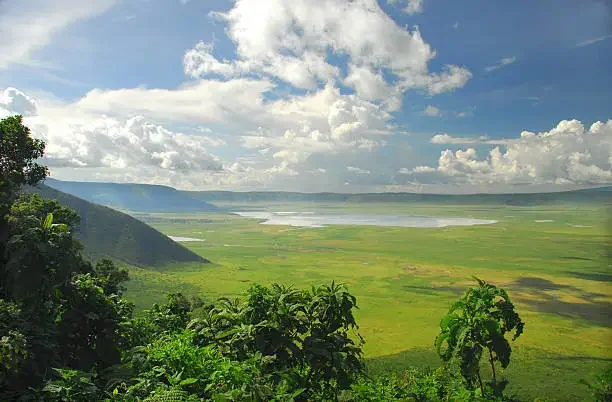
The Ngorongoro Crater is the world's largest intact volcanic caldera, formed millions of years ago when a massive volcano erupted and collapsed in on itself. The result is a vast, bowl-shaped depression spanning approximately 260 square kilometers, with walls rising over 600 meters high. This natural amphitheater has created a unique ecosystem where wildlife thrives in relative isolation, making it one of the most concentrated wildlife viewing areas in Africa.
The crater floor is a diverse landscape of grasslands, swamps, lakes, and forests, providing a rich habitat for an incredible variety of animals. The soda lake at the center of the crater, Lake Magadi, attracts thousands of flamingos, creating a stunning contrast of pink against the blue waters and green grasslands. The diversity of habitats within such a relatively small area makes the Ngorongoro Crater a truly remarkable destination.
The Densest Wildlife Population in Africa
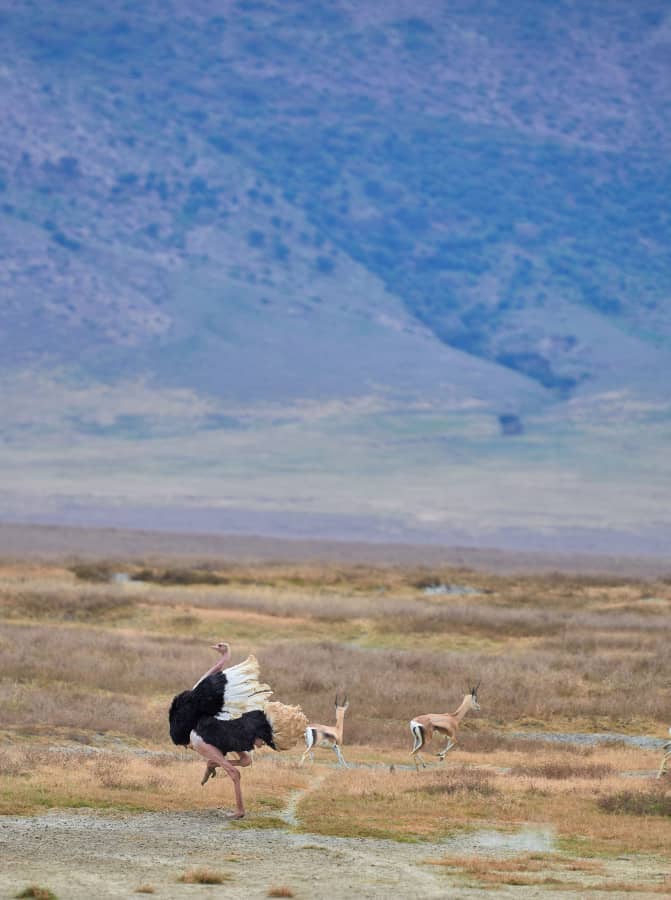
One of the most compelling reasons to visit the Ngorongoro Crater is its incredible concentration of wildlife. The crater is home to approximately 25,000 large animals, making it one of the densest wildlife populations in Africa. The lack of migration in and out of the crater means that the animals are resident year-round, providing excellent viewing opportunities at any time of the year.
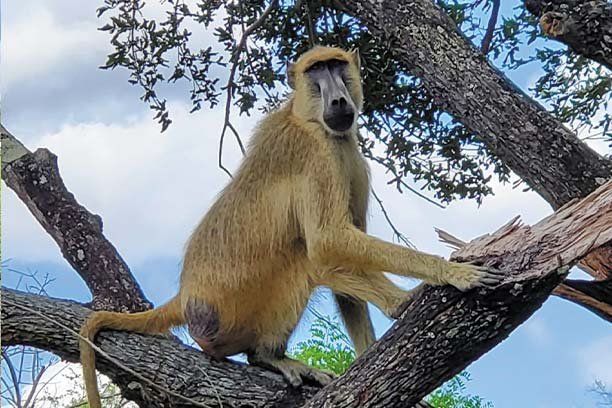
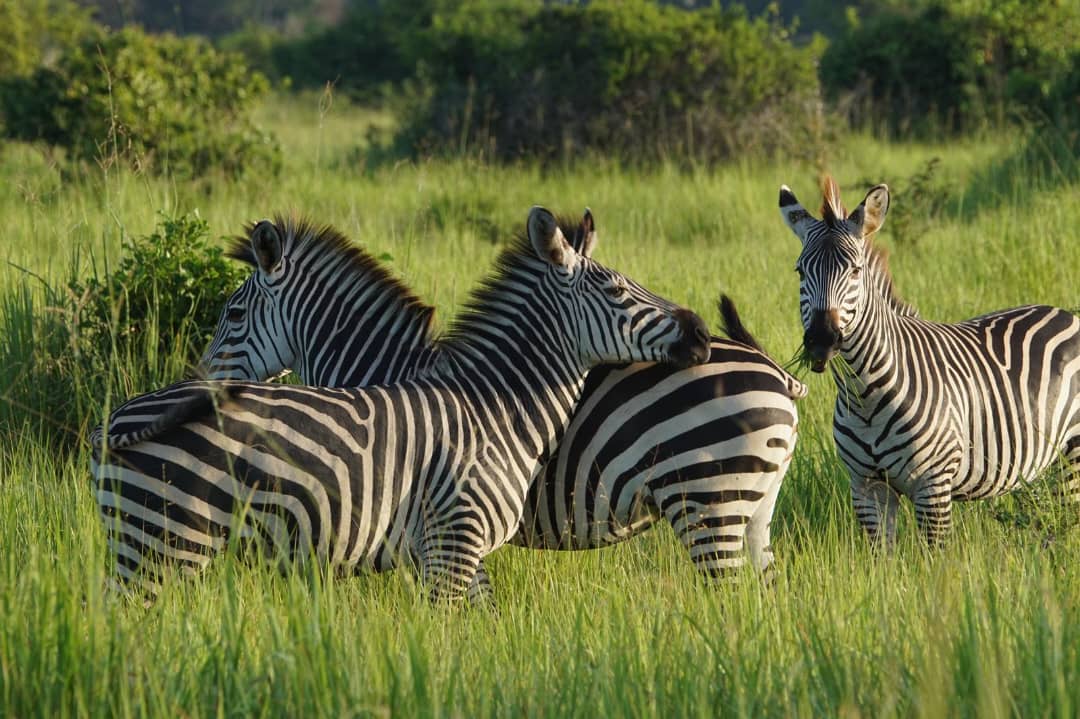
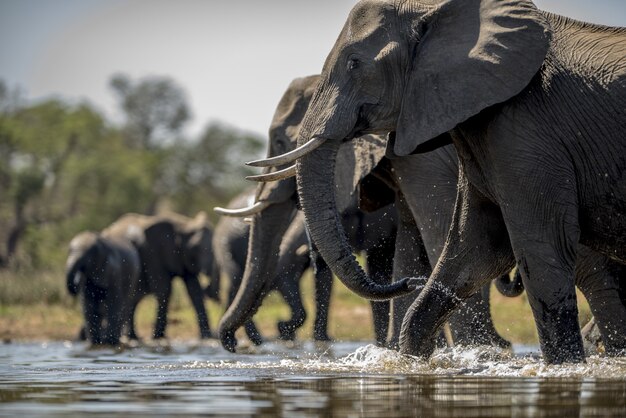
The crater is one of the few places in Africa where you have a realistic chance of seeing all of the Big Five in a single day. The crater is home to a significant population of lions, including the famous black-maned lions of the Crater. The elephants here are often seen browsing in the forests on the crater walls, while leopards and rhinos can be spotted in the dense vegetation. Buffalo herds are common on the crater floor, often seen grazing alongside zebras and wildebeest.
The Spectacular Lake Magadi
Lake Magadi, the soda lake at the center of the crater, is a stunning sight. The lake is home to thousands of flamingos, whose pink plumage creates a striking contrast against the blue waters and green grasslands. The flamingos feed on the algae and small crustaceans in the lake, making the crater their home throughout the year. The sight of thousands of flamingos feeding along the shores of the lake is a truly spectacular sight and a photographer's dream.
The Big Five in One Place
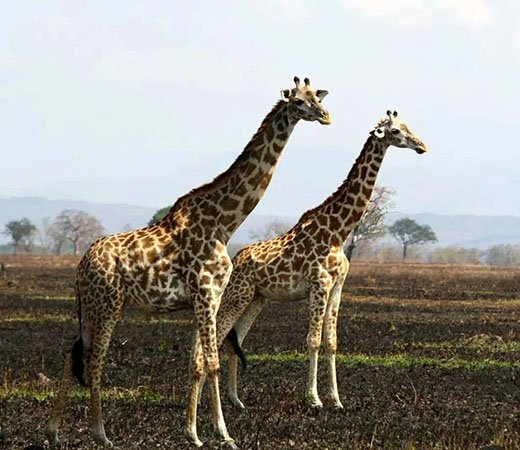
The Ngorongoro Crater is one of the few places in Africa where you have a realistic chance of seeing all of the Big Five in a single day. The crater is home to a significant population of lions, including the famous black-maned lions of the Crater. The elephants here are often seen browsing in the forests on the crater walls, while leopards and rhinos can be spotted in the dense vegetation. Buffalo herds are common on the crater floor, often seen grazing alongside zebras and wildebeest.
The Unique Landscapes
The Ngorongoro Crater is not just about the wildlife; it is also about the stunning landscapes. The crater floor is a patchwork of different habitats, from the open grasslands to the dense forests, from the soda lake to the swamps. The crater walls rise dramatically above the floor, covered in lush vegetation that provides a stunning backdrop to the wildlife viewing.
The views from the crater rim are breathtaking, offering panoramic vistas of the crater floor far below. The sunrise over the crater is particularly spectacular, as the first rays of light illuminate the landscape and the wildlife begins to stir.
The Maasai People and Their Culture
The Ngorongoro Crater is not just a wildlife destination; it is also a place of rich cultural heritage. The Maasai people have lived in the area for centuries, and their traditional way of life is deeply intertwined with the landscape. The Maasai are a semi-nomadic people who have coexisted with the wildlife of the Ngorongoro Conservation Area for generations, and their culture and traditions are an essential part of the region's charm.
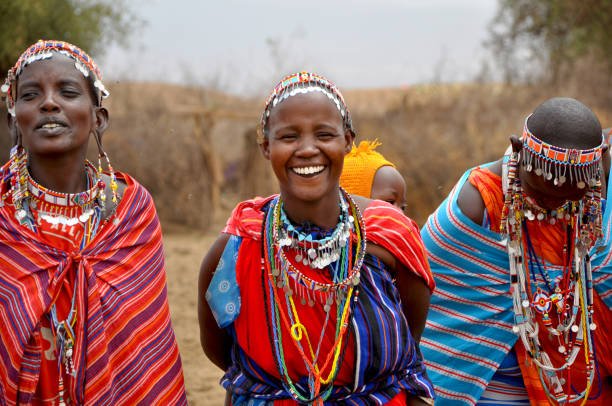
A visit to a Maasai village offers a unique insight into the traditional way of life. The Maasai people are known for their distinctive red clothing, intricate beadwork, and traditional dances. Visitors can learn about their customs, visit their homes, and experience their hospitality. The relationship between the Maasai and the wildlife is a testament to the possibility of coexistence, and their knowledge of the land is invaluable.
The Olduvai Gorge – The Cradle of Mankind
Located in the Ngorongoro Conservation Area, the Olduvai Gorge is one of the world's most significant archaeological sites, often referred to as the "Cradle of Mankind." It was here that Dr. Louis Leakey and his team discovered some of the earliest evidence of human evolution, including the remains of early hominids dating back nearly two million years.
The Olduvai Gorge offers a fascinating glimpse into our distant past. Visitors can explore the gorge and visit the museum, which houses a collection of fossils and artifacts that tell the story of human evolution. Standing in the gorge and looking at the layers of sediment is a humbling experience, reminding us of our place in the long history of life on Earth.
The Best Time to Visit
The Ngorongoro Crater is a year-round destination, but the best time to visit depends on what you want to see and experience. The dry season, from June to October, offers excellent wildlife viewing, as the animals are concentrated around the water sources. The skies are clear, and the visibility is excellent, making this the most popular time to visit.
The rainy season, from November to May, offers a lush green landscape and fewer crowds. The rains bring out a rich carpet of greenery, making the scenery particularly beautiful. This is also the time when many animals give birth, adding to the wonder of the experience. The short rains from November to December and the long rains from March to May each have their unique charm.
How to Experience the Wonders of Ngorongoro
A visit to the Ngorongoro Crater is best experienced with a guided tour, allowing you to benefit from the expertise of experienced guides who know the area intimately. Game drives into the crater offer the best opportunities to see the abundant wildlife, while guided walks with Maasai guides provide a unique perspective on the land and its history.
A typical tour of the Ngorongoro Crater includes a full day of game driving on the crater floor, where you can see the incredible diversity of wildlife. The early morning is often the best time for wildlife viewing, as the animals are most active during the cooler hours of the day. As the sun sets over the crater, the sky transforms into a canvas of vibrant colors, providing a stunning backdrop to the end of a perfect day.
Combining a visit to the Ngorongoro Crater with a safari in the Serengeti is one of the most popular itineraries, offering a comprehensive experience of Tanzania's wildlife. The Ngorongoro Conservation Area is also an excellent starting point for exploring other nearby destinations, including Lake Manyara and Tarangire National Park.
The Ngorongoro Conservation Area
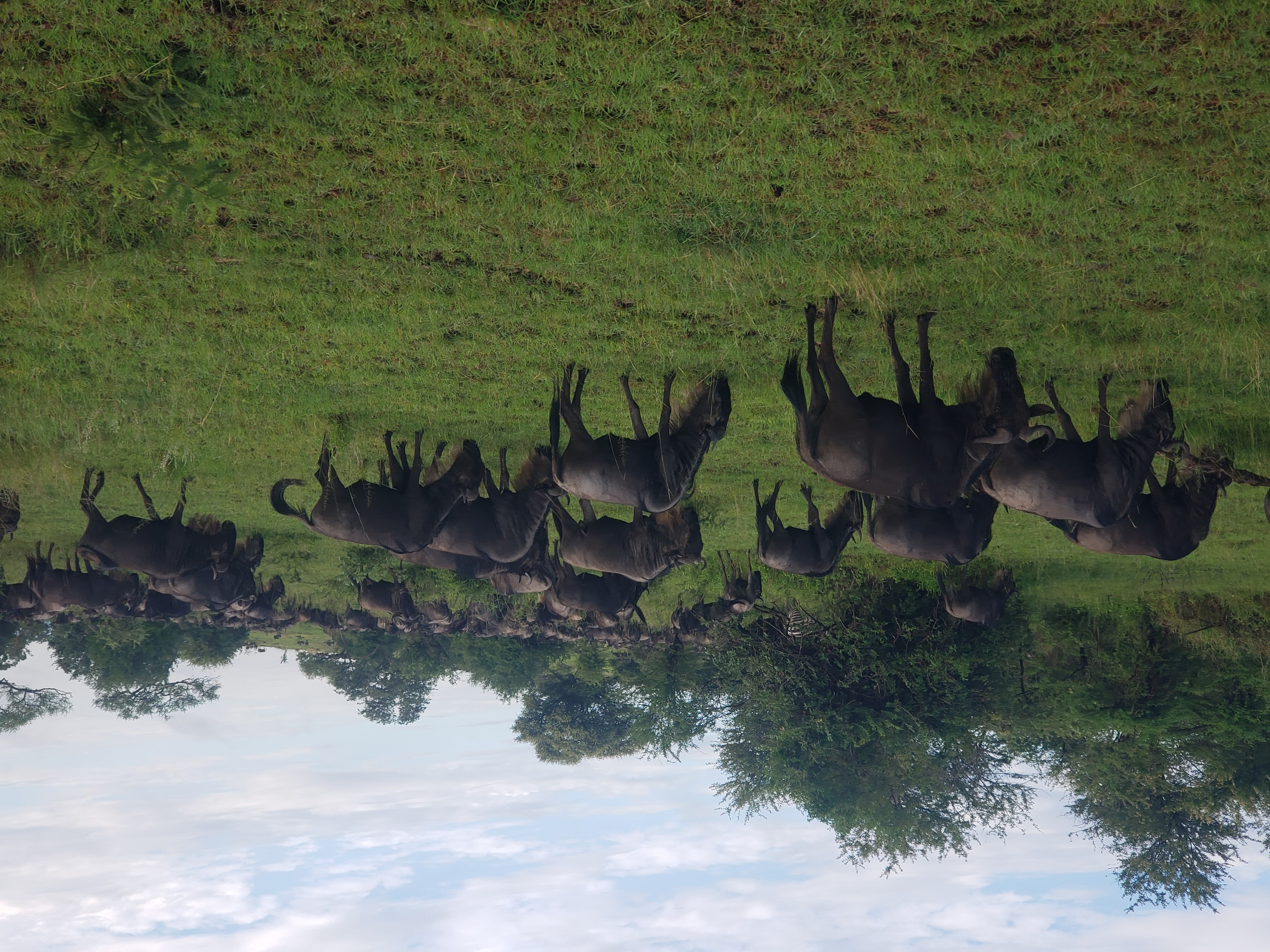
The Ngorongoro Conservation Area is much more than just the crater. It is a vast expanse of land covering over 8,200 square kilometers, encompassing a diverse range of landscapes, including the crater itself, the Empakaai and Olmoti craters, the vast plains of the Serengeti, and the highlands that form the western boundary. The conservation area is home to a wide variety of wildlife, including large herds of wildebeest and zebras that migrate through the area.
The conservation area is managed with a unique approach that balances the needs of wildlife conservation with the traditional way of life of the Maasai people. This model of coexistence has been highly successful, and it is a testament to the possibility of sustainable development.


 Cookies Consent