Introduction: A Collapsed Volcano That Became Paradise
Deep within the crater highlands of northern Tanzania lies a place so extraordinary that it has been called the "Eighth Wonder of the Natural World." The Ngorongoro Crater is not just a safari destination – it is a self-contained universe, a lost world where the drama of African wildlife unfolds against one of the most breathtaking backdrops on Earth.
Imagine a natural amphitheater so vast that it could hold the entire city of Manhattan, yet so perfectly enclosed that the animals within have never needed to leave. This is Ngorongoro. A collapsed volcano that fell in on itself millions of years ago, creating a natural enclosure where over 25,000 large mammals roam freely across grasslands, swamps, lakes, and forests.
The name "Ngorongoro" comes from the Maasai word meaning "the gift of life," and once you stand on the rim at sunrise, watching the morning mist rise from the crater floor 600 meters below, you will understand why.
The Birth of a Natural Wonder
The story of Ngorongoro begins about 2.5 million years ago when an enormous volcano, taller than Kilimanjaro, erupted violently and then collapsed inward under its own weight. What remained was a caldera – the largest unbroken, inactive volcanic caldera on Earth.
Measuring approximately 19 kilometers in diameter and with walls rising 600 meters from the floor, the crater covers an area of 260 square kilometers. To put this in perspective, you could fit the entire island of Zanzibar's Stone Town inside the crater more than ten times over.
What makes Ngorongoro truly unique is the diversity of habitats compressed into this relatively small space. Within a single game drive lasting just a few hours, you can witness:
- The open grasslands of the crater floor where lions hunt zebra and wildebeest
- The hippo pools where dozens of these massive creatures wallow together
- The Lerai Forest, a mysterious woodland of yellow-barked acacia trees where leopards rest
- The soda lake of Lake Magadi, its surface shimmering pink with thousands of flamingos
- The Gorigor Swamp where elephants emerge from the mist
- The steep crater walls where leopards watch from rocky outcrops
No other place on Earth concentrates such diversity of wildlife and landscape into such a manageable area.
The Wildlife Spectacle: Africa's Most Reliable Game Viewing
The Ngorongoro Crater is renowned for having one of the densest populations of large mammals anywhere in Africa. The crater walls, which rise 600 meters above the floor, act as natural barriers. Most animals cannot climb the steep slopes, so they remain on the crater floor year-round. This creates a safari experience unlike any other.
As you descend the steep road that winds down the crater walls, the anticipation builds. The moment your vehicle touches the crater floor, you are immediately immersed in a world teeming with wildlife. Within minutes, you will likely spot herds of zebra grazing alongside wildebeest, their striking stripes contrasting against the golden grasses.
The crater is one of the best places in Africa to see all of the Big Five – lion, leopard, elephant, rhino, and buffalo – in a single day. While some safari destinations require weeks of searching, Ngorongoro often delivers all five before lunchtime.
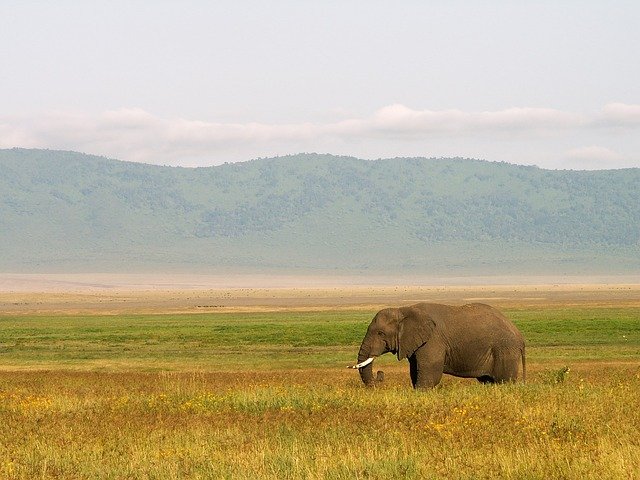
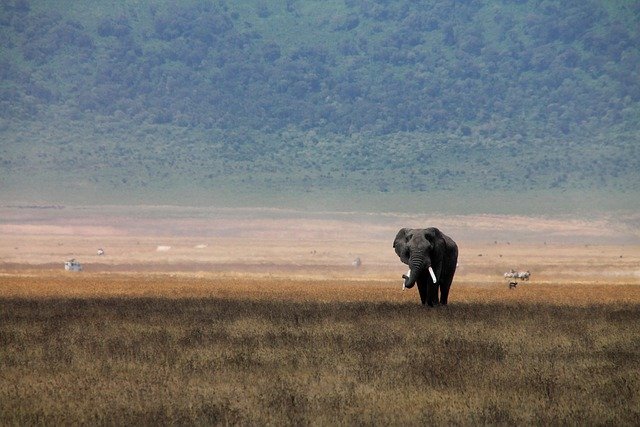
The elephants of Ngorongoro are particularly magnificent. These are some of the largest tuskers left in Africa, their ivory sweeping almost to the ground. They move through the Lerai Forest with a grace that seems impossible for creatures so immense. Watching a family herd cross the open grasslands, with the crater rim forming a natural backdrop, is a scene that photographers dream of capturing.
The crater's lion population is exceptionally visible. Unlike lions in other parks that hide in thick bush during the day, Ngorongoro's lions are often seen resting on the open grasslands, their golden manes blending with the dry grass. The crater is home to about sixty lions, including several prides with their own territories. It is not uncommon to witness them hunting during daylight hours.
The black rhino is perhaps the most sought-after resident of the crater. These prehistoric-looking creatures are critically endangered, and Ngorongoro protects one of the largest remaining populations. Seeing a rhino is never guaranteed, but the crater offers better odds than almost anywhere else in East Africa. When you do spot one, standing like an armored tank on the open plains, you will understand why travelers return year after year trying to catch a glimpse.
The Empakaai Crater: Ngorongoro's Hidden Sister
While most visitors focus on the main crater, the Empakaai Crater offers a different kind of beauty. This smaller caldera is filled with a deep soda lake that reflects the sky like a mirror. The crater walls are covered in dense montane forest, home to blue monkeys and a variety of birds.
The descent into Empakaai takes you through the forest, emerging at the lake shore where you can watch flamingos feeding in the shallows. The atmosphere here is quiet and contemplative – a stark contrast to the bustling activity of the main crater. Few tourists make the journey, so you will likely have the crater to yourself.
From the rim of Empakaai, on a clear day, you can see Lake Natron shimmering in the distance and, beyond it, the majestic shape of Mount Kilimanjaro rising above the clouds. It is a view that rivals any in Africa, yet remains one of its best-kept secrets.
The Shifting Sands: A Moving Mystery
In the eastern plains of the conservation area lies a natural phenomenon known as the Shifting Sands. These are crescent-shaped dunes of black volcanic ash that move across the landscape at a rate of several meters per year, driven by the prevailing winds. The dunes are about nine meters wide and rise five meters high.
No one knows exactly how the Shifting Sands formed or why they maintain their shape. The local Maasai believe they have supernatural origins. Watching these dunes slowly migrate across the plains, leaving trails behind them, you feel the strange magic of this place.
Best Time to Visit Ngorongoro Crater
Unlike many safari destinations that have distinct seasons for good and bad viewing, Ngorongoro offers excellent wildlife viewing year-round. However, each season offers a different experience.
The dry season from June to October is the most popular time to visit. The weather is sunny and clear, with little to no rain. The animals concentrate around remaining water sources, making them easier to spot. The grasses are short, providing unobstructed views. The only drawback is the number of visitors – the crater can become crowded, especially in August.
The green season from November to May is the secret treasure. The crater floor transforms into a lush, green paradise. Wildflowers bloom across the grasslands, and the skies are dramatic with towering clouds and afternoon showers. The crowds thin significantly, and lodge prices drop. The calving season in February and March brings newborn wildebeest and zebra, which attracts intense predator activity. The rain rarely lasts all day – usually falling in spectacular afternoon storms that pass quickly.
The wet months of April and May see the heaviest rains, but also the lowest prices and fewest crowds. Some roads become muddy, and the grass grows tall, making animals slightly harder to spot. But for photographers, the dramatic skies and lush landscapes offer unique opportunities.

 Cookies Consent