Mount Kilimanjaro: The Roof of Africa
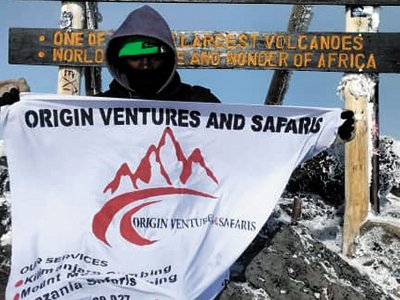
Mount Kilimanjaro is not merely a mountain; it is a monumental challenge and a symbol of natural grandeur that has captured the human imagination for generations. Standing at a colossal 5,895 metres (19,341 feet) above sea level, it holds the distinguished title of the highest peak in Africa and the highest free-standing mountain in the world . This dormant volcano, located in northeastern Tanzania near the Kenyan border, is a majestic beacon visible from the surrounding savannah plains . Its iconic snow-capped summit, which sits just three degrees south of the Equator, presents a captivating paradox of ice and sun that has lured adventurers, scientists, and dreamers from all corners of the globe .
The mountain's physical structure is a testament to its volcanic origins, composed of three distinct cones: the highest peak, Kibo, which is dormant and could erupt again; the jagged and eroded Mawenzi; and the oldest, Shira, which is now a vast plateau . While Mawenzi and Shira are extinct, Kibo's crater, measuring roughly 1.2 miles across, is the focal point for every climber's ambition . The true summit is known as Uhuru Peak, a Swahili word meaning "freedom," a name bestowed upon Tanzania's independence in 1961 to symbolize the nation's new dawn . For centuries, local Chagga people have revered the mountain, traditionally burying their dead facing towards it, while for modern Tanzania, it remains an enduring emblem of national pride and identity .
A Journey Through Climate and Landscape
One of the most extraordinary aspects of climbing Kilimanjaro is the sense of traversing from the Equator to the Arctic in a matter of days. The ascent is a climatic world tour, guiding climbers through a succession of distinct ecological zones . The journey begins in the Cultivation Zone at the base, where local communities farm the fertile volcanic soil. As you ascend, you enter the lush Montane Forest, a biodiverse realm of towering podocarpus trees and mossy undergrowth, where black and white colobus monkeys leap through the canopy and the air is thick with mist .
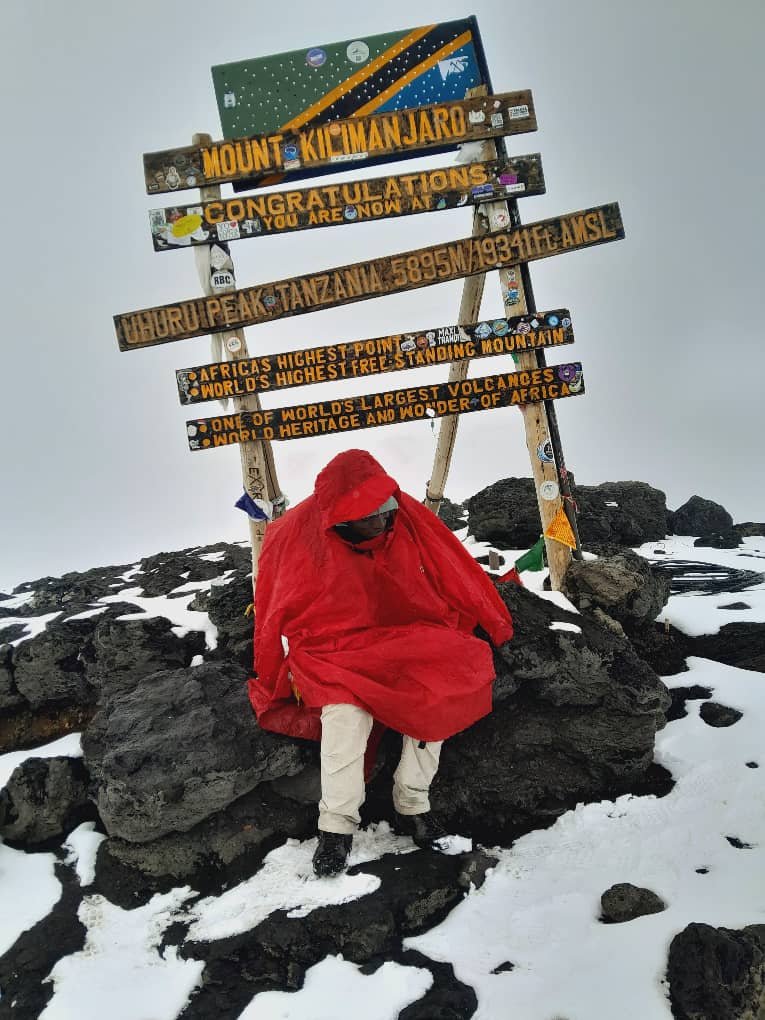
Emerging from the forest, the landscape transforms into the open Heath and Moorland Zone, a surreal world of giant heathers and peculiar flora like the giant lobelias and groundsels, which look like characters from a Dr. Seuss book . At higher altitudes, you enter the stark and beautiful Alpine Desert, where life is sparse, the air is thin, and the sun is intense. Here, the jagged peak of Mawenzi looms in the distance, and the final camp before the summit, Kibo Hut, sits in a barren, lunar-like landscape . The final push leads to the Arctic Zone, where the temperature plunges well below freezing, and you walk on snow and ice across the summit's crater rim to reach Uhuru Peak .
The Paths to the Summit
Kilimanjaro offers several routes to the summit, each varying in difficulty, scenery, and duration . The choice of route is one of the most critical factors affecting a climber's experience and chance of success. The Marangu Route, also known as the "Coca-Cola Route," is famous for being the only path with hut accommodation instead of tents, making it a popular and more comfortable, though less scenic, choice . The Machame Route, nicknamed the "Whiskey Route," is the most popular due to its stunning views and better acclimatization opportunities through a "climb high, sleep low" strategy .
For those seeking solitude and a gradual ascent, the Lemosho Route is a scenic and less crowded alternative that offers excellent acclimatization, while the Rongai Route, on the drier northern side of the mountain, provides a unique perspective . For the most experienced climbers seeking a challenge, the steep and direct Umbwe Route is the most difficult path. Ultimately, the Northern Circuit is the longest and newest route, offering the best acclimatization and highest summit success rate by allowing more time for the body to adjust to the altitude .
Conquering the Challenge: Acclimatization and Preparation
The greatest adversary on Kilimanjaro is not its height or length, but the altitude itself. The extreme altitude is the primary reason for failed summit attempts, making proper acclimatization the cornerstone of any successful climb . The body needs time to adjust to the decreasing oxygen levels, and climbers are often reminded of two essential Swahili words: "Pole, Pole," meaning "slowly, slowly" . This mantra dictates the pace of the climb, as moving too quickly can trigger Acute Mountain Sickness (AMS) .
Several strategies are crucial for acclimatization. Choosing a longer itinerary is paramount; a seven- or eight-day climb drastically increases your chances of success compared to a shorter five-day trek . The principle of "climb high, sleep low" is also employed, where climbers ascend to a higher altitude during the day and then descend slightly to sleep, allowing the body to acclimatize overnight . Furthermore, staying well-hydrated and maintaining a high-calorie diet are essential for sustaining energy levels and aiding the body's adaptation at altitude .
Despite its formidable stature, Kilimanjaro is accessible to determined and prepared individuals. No technical mountaineering equipment like ropes or ice axes is required to reach Uhuru Peak . The journey is a test of mental fortitude, physical endurance, and the ability to adapt. The reward for this effort is unparalleled: the breathtaking, once-in-a-lifetime experience of standing on the Roof of Africa, watching the sunrise ignite the vast plains of Tanzania below, and feeling a profound connection to one of the world's greatest natural wonders.

 Cookies Consent