Introduction: The Holy Grail of Wildlife Spotting
The term "Big 5" originally referred to the five most difficult animals to hunt on foot because of their danger and unpredictability. Today, it represents the most sought-after animals for safari-goers – the ultimate wildlife viewing achievement.
Spotting all five in their natural habitat is considered the holy grail of African safaris, and no place offers better opportunities than Tanzania's northern circuit.
The Big 5 consists of:
- The Lion – King of the Savanna
- The Leopard – The Elusive Ghost
- The African Elephant – Gentle Giant
- The Rhinoceros – Ancient Armored Wonder
- The Cape Buffalo – Black Death
Why are they called the Big 5? These animals were historically the most dangerous to hunt on foot. Unlike smaller animals that would run away, these five would fight back, often charging hunters. Today, the term has been repurposed for conservation and tourism, representing the ultimate safari achievement.
What Makes Tanzania the Best Big 5 Destination?
Tanzania stands above all other African countries for Big 5 viewing because of several unique advantages.
Tanzania is home to the largest lion population in Africa, with over 8,000 individuals. The country offers year-round viewing opportunities in parks that are accessible and well-managed. Unlike some destinations where spotting the Big 5 requires luck and patience, Tanzania delivers consistent sightings.
The northern circuit – including Serengeti National Park, Ngorongoro Crater, Tarangire National Park, and Lake Manyara National Park – is specifically designed for Big 5 safaris. These protected areas connect to form a massive ecosystem where wildlife moves freely across borders.
The Lion – King of the Savanna
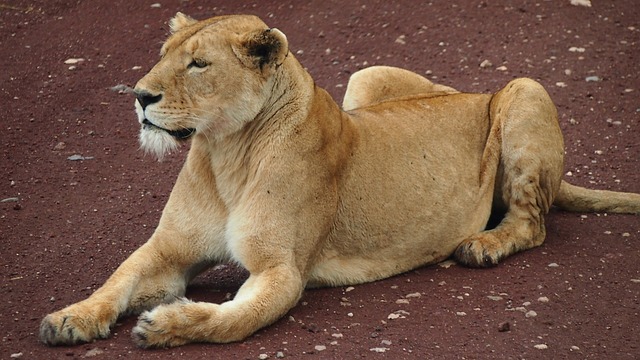
Lions are the only truly social cats in the world, living in family groups called prides. Watching a lion pride interact – grooming each other, playing, hunting together, or resting in the shade – is one of safari's greatest joys.
Distinctive features of lions:
- Males grow magnificent manes that darken with age and dominance
- Females do the majority of hunting for the pride
- A lion's roar can be heard up to 8 kilometers away
- They sleep up to 20 hours per day, conserving energy for hunting
Where to see lions in Tanzania:
- Serengeti National Park's Seronera Valley has the highest lion density in all of Africa, with over 3,000 lions
- Ngorongoro Crater contains about 60 lions that are easily visible on the crater floor
- Lake Manyara is famous for its tree-climbing lions that lounge in acacia branches
- Tarangire National Park features large prides that rest under ancient baobab trees
Best time to see lions:
Lions are most active during dawn and dusk when temperatures are cooler. The dry season from June to October is ideal because prey animals concentrate around remaining water sources, making lions easier to predict and locate.
Pro tip from guides: Listen for hyena calls at dawn – they often lead you directly to lion kills or hunting grounds. Also, look for circling vultures, which frequently signal a lion kill nearby.
The Leopard – The Elusive Ghost
The leopard is the most challenging of the Big 5 to spot. These solitary, nocturnal cats are masters of camouflage and stealth. Spotting a leopard draped across a tree branch with its kill is considered the ultimate safari prize.
Distinctive features of leopards:
- Rosette patterns (spots shaped like roses) that are unique to each individual
- Incredible strength – they drag prey twice their body weight up trees
- Nocturnal habits make them difficult to see during day safaris
- Superb climbers, spending much of their time in trees
Where to see leopards in Tanzania:
- Seronera Valley in central Serengeti offers the highest leopard density in Africa
- Ngorongoro Crater's rim forests provide excellent hiding spots for leopards
- Lake Manyara's groundwater forest harbors several resident leopards
- Tarangire River's wooded areas attract leopards seeking shade and prey
Best time to see leopards:
Early morning game drives (dawn to 9 AM) offer the best chance before they retreat into thick bush. Late afternoon drives (4 PM to sunset) also work well as they become active before night hunting.
Pro tip from guides: Look for fresh kills hanging in trees – leopards cache their prey high in branches. Also, watch the ground for leopard tracks, which resemble domestic cat prints but much larger.
The African Elephant – Gentle Giant
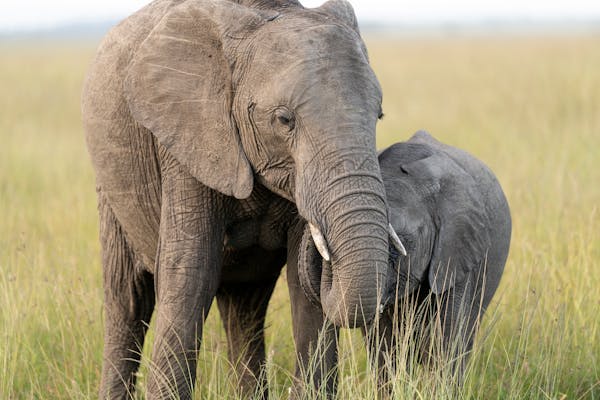
African elephants are the largest land animals on Earth. Watching a herd of elephants move across the savanna, with babies walking beneath their mothers' bellies, is a humbling experience that never gets old.
Distinctive features of elephants:
- Massive ears shaped like the continent of Africa
- Tusks that grow throughout their lifetime (both males and females)
- Highly intelligent with complex social structures and memory
- Matriarch-led herds where grandmothers guide the family
Where to see elephants in Tanzania:
- Tarangire National Park is the elephant capital of Tanzania with over 5,000 individuals – some herds exceed 300 elephants
- Serengeti National Park hosts about 7,000 elephants across the ecosystem
- Ngorongoro Crater contains a smaller but visible population of about 50 elephants
- Lake Manyara features elephants that wade through the lake's edge during dry season
Best time to see elephants:
Elephants are visible year-round, but the dry season (June to October) is spectacular. In Tarangire, thousands of elephants gather along the Tarangire River, which becomes the only permanent water source for miles.
Pro tip from guides: Watch for elephants using their trunks to dig for water in dry riverbeds – they can smell water underground from several kilometers away. Also, never approach a lone elephant or a herd with young calves; they are extremely protective.
The Rhinoceros – Ancient Armored Wonder
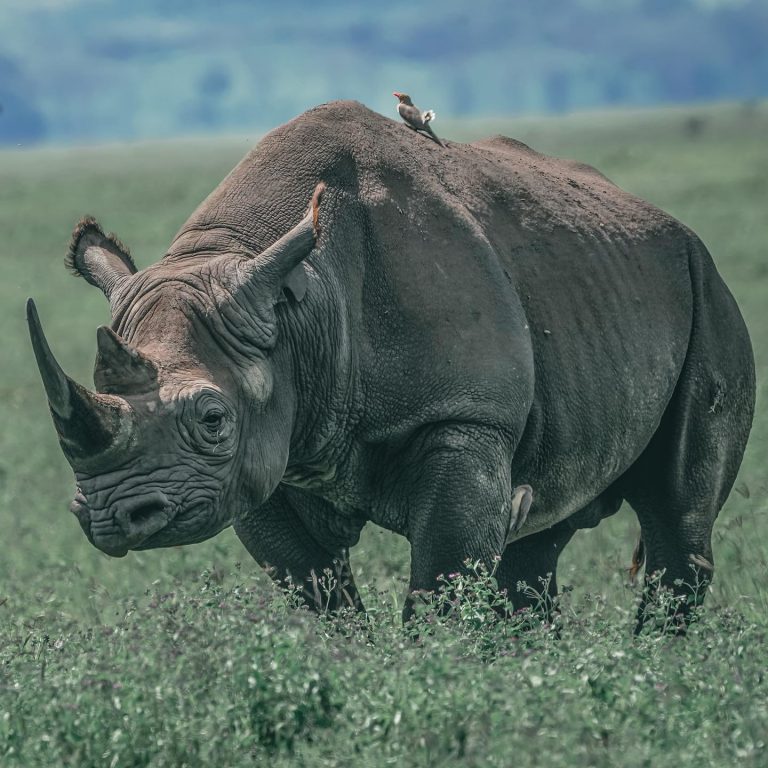
Rhinos are the rarest of the Big 5 and the most difficult to see. Their populations were devastated by poaching for their horns, but conservation efforts in Tanzania are slowly rebuilding numbers. Spotting a rhino is a genuine privilege.
Distinctive features of rhinos:
- Thick, armor-like skin that can be 2 inches thick
- Two horns made of keratin (same material as human fingernails)
- Poor eyesight but excellent hearing and smell
- Can charge at speeds up to 55 kilometers per hour
Where to see rhinos in Tanzania:
- Ngorongoro Crater offers the best and most reliable black rhino viewing in East Africa, with about 30 individuals protected within the crater walls
- Serengeti National Park has reintroduced black rhinos to remote areas, but sightings are rare
- Mkomazi National Park runs a successful rhino sanctuary with guided viewing opportunities
Best time to see rhinos:
Early mornings (6 AM to 9 AM) offer the best chances before they retreat into thick bush. The dry season makes them slightly easier to spot as they visit water holes more frequently.
Pro tip from guides: Listen for rhino warning calls – they sneeze and snort when alarmed. Also, watch for oxpecker birds riding on rhino backs; these birds eat ticks from rhino skin and provide early warning of danger.
The Cape Buffalo – Black Death
The Cape buffalo is perhaps the most dangerous of the Big 5 to encounter on foot. Known as "Black Death" or "The Widowmaker," buffalos have been known to circle back and ambush hunters. In a safari vehicle, however, they are magnificent to observe.
Distinctive features of buffalos:
- Massive "boss" (horns that fuse together at the base)
- Unpredictable and aggressive temperament
- Live in large herds that can number over 1,000 individuals
- Excellent memory – they remember and avoid negative encounters
Where to see buffalos in Tanzania:
- Serengeti National Park hosts enormous herds that follow the Great Migration
- Ngorongoro Crater has a resident population of several hundred buffalos
- Tarangire National Park features smaller but visible herds
- Lake Manyara has buffalos that graze along the lake shore
Best time to see buffalos:
Buffalos are visible year-round but are most spectacular during the dry season (June to October) when thousands gather at remaining water sources.
Pro tip from guides: Never approach a lone old bull buffalo – they are often the most dangerous. Herds are actually safer to observe because they feel secure together. Look for the distinctive "oxpecker warning" – birds that fly up from a herd when danger approaches.

 Cookies Consent